How to Choose the Best Aluminum Casting Manufacturer for Industrial Applications
Wiki Article
Exactly How Aluminum Casting Works: Exploring the Techniques and Benefits in Modern Sector
Aluminum Casting is a vital process in contemporary production. It includes shaping molten aluminum with various techniques, each with distinctive advantages. Methods like sand casting, die casting, and investment Casting provide to different production requirements. These techniques not only improve product efficiency yet additionally straighten with lasting methods. Recognizing the subtleties of each technique exposes their significance in varied sectors. What ramifications do these improvements hold for the future of manufacturing?The Fundamentals of Aluminum Spreading
Light weight aluminum Casting is an extensively used production process that entails shaping liquified aluminum right into details types. This strategy is important in different industries, including vehicle, aerospace, and durable goods. The procedure begins with melting light weight aluminum ingots in a furnace, reaching temperatures around 660 degrees Celsius. As soon as the aluminum is liquified, it can be put right into mold and mildews constructed from metal or sand, allowing it to cool and strengthen into the desired shape.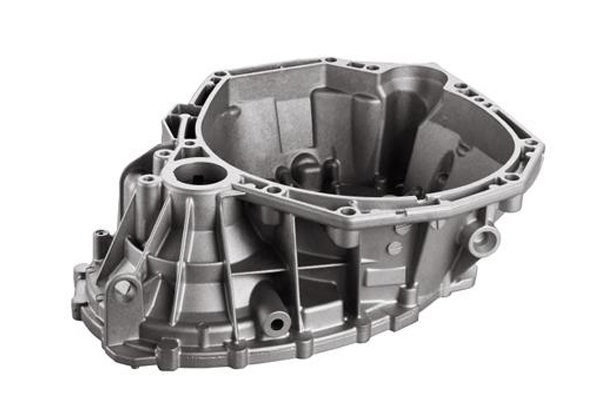
Sand Spreading: A Conventional Technique
Among the most typical approaches of aluminum Casting is sand spreading, a method that goes back hundreds of years. This procedure includes creating a mold from a mixture of sand and a bonding agent, commonly clay, which creates a cavity in the shape of the preferred element. When the mold is ready, liquified aluminum is put right into the dental caries, enabling it to solidify and cool down.Sand Casting is favored for its flexibility and cost-effectiveness, making it suitable for both tiny and big manufacturing runs. The technique can accommodate intricate geometries and complex styles that might be testing for various other approaches. While the surface coating of sand-cast components might not match that of even more modern strategies, the capacity to develop large castings and the convenience of mold development are substantial advantages. Overall, sand Casting stays a trusted selection in the light weight aluminum Casting industry, specifically for custom-made and low-volume applications.
Die Casting: Precision and Efficiency
While sand Casting is recognized for its versatility, pass away casting offers unequaled precision and effectiveness in the light weight aluminum Casting process. This strategy includes forcing liquified aluminum into a metal mold and mildew, or die, under high pressure. Such a method guarantees that the final item shows limited resistances and a smooth surface finish, lowering the need for substantial post-processing.Pass away Casting is especially beneficial for high-volume manufacturing, as it permits fast cycle times and consistent quality across numerous components. The procedure effectively lessens product waste, making it an economical option for makers. Additionally, the durability of die-cast parts provides itself to various applications, consisting of auto, aerospace, and durable goods.
Financial Investment Spreading: Fine Detail and Complex Shapes
Financial investment Casting attracts attention in the domain of light weight aluminum Casting for its capability to generate great information and detailed layouts. This method includes producing a wax pattern that is coated with a ceramic covering. When the covering sets, the wax is disappeared, leaving a specific mold and mildew for the light weight aluminum to be poured right into. The process enables the production of complicated forms that would be tough or impossible to attain with other Casting methods.
Additionally, financial investment Casting can suit a variety of weights and sizes, making it versatile throughout numerous industries. It also enables the development of components with slim wall surfaces and limited resistances, which are essential for innovative engineering applications. As an outcome, investment Casting is usually chosen for parts that require high dimensional precision and surface area finish, more showcasing its relevance in modern manufacturing.
Advantages of Aluminum Casting in Production
Light weight aluminum casting deals many benefits that significantly boost producing processes. One substantial advantage is its lightweight nature, which reduces transport expenses and enhances power effectiveness in output. In addition, aluminum's outstanding rust resistance extends the life expectancy of actors components, making them suitable for numerous applications. The adaptability of aluminum Casting techniques enables the manufacturing of intricate geometries, enabling suppliers to create complex layouts that meet specific demands.Furthermore, light weight aluminum has superior thermal and electric conductivity, making it appropriate for a vast array of sectors. The Casting process itself is effective, usually causing reduced waste material contrasted to other manufacturing methods. In addition, light weight aluminum can be reused numerous times without shedding its residential or commercial properties, advertising sustainability within the industry. This combination of durability, recyclability, and performance makes light weight aluminum casting a favored choice for manufacturers seeking to optimize production while reducing ecological impact.
Applications of Light Weight Aluminum Casting Across Industries
Light weight aluminum Casting is essential to different markets, showcasing its convenience and efficiency. In the auto industry, it enables innovations in lightweight elements, while in aerospace, it plays a vital duty in making high-performance parts. In addition, the durable goods sector take advantage of light weight aluminum Casting with the manufacturing of resilient and cosmetically pleasing products.Automotive Sector Innovations
As the auto industry remains to progress, the assimilation of aluminum Casting has actually become a critical technology that enhances automobile performance and sustainability. This lightweight product substantially lowers general automobile weight, leading to enhanced fuel performance and lowered emissions. Light weight aluminum Casting enables complex geometries, allowing producers to create intricate components that optimize airflow and boost the rules of aerodynamics. On top of that, the Casting process promotes rapid manufacturing, allowing car manufacturers to react quickly to market needs and technological innovations. The durability and deterioration resistance of light weight aluminum likewise add to longer-lasting elements, eventually lowering maintenance prices for customers - Aluminum Casting Manufacturer. Consequently, aluminum Casting stands at the center of modern automobile design, driving developments that align with environment-friendly campaigns and consumer assumptionsAerospace Element Production
The aerospace sector has significantly taken on light weight aluminum Casting for its capability to produce light-weight, high-strength parts important for aircraft performance and safety. This technique allows manufacturers to generate intricate styles that optimize the rules of aerodynamics while reducing weight. Aluminum Casting Manufacturer Components such as engine housings, architectural frames, and landing equipment take advantage of aluminum's positive strength-to-weight proportion, boosting gas performance and total aircraft capacities. Furthermore, aluminum Casting techniques enable the production of intricate geometries that would certainly be difficult or difficult to attain with traditional manufacturing methods. The toughness and rust resistance of light weight aluminum additional add to the long life of aerospace elements, reducing maintenance prices. As the need for extra reliable and lasting air travel options expands, light weight aluminum Casting stays an important innovation in aerospace design.Durable Goods Manufacturing
Various sectors leverage light weight aluminum Casting for customer goods production as a result of its convenience and efficiency. This manufacturing method is commonly used in creating a range of items, including cookware, automotive parts, and digital cases. The lightweight nature of aluminum improves product efficiency while lowering shipping prices and power consumption. Furthermore, light weight aluminum Casting permits elaborate designs, which can meet contemporary customer demands for appearances and capability. The ability to produce items in large quantities with constant high quality additionally strengthens aluminum's position in the durable goods market. The recyclability of light weight aluminum contributes to sustainable techniques, appealing to environmentally aware consumers. Generally, light weight aluminum Casting is integral to meeting the diverse demands of today's durable goods sector.
Future Trends in Light Weight Aluminum Casting Technology
Emerging improvements in aluminum Casting modern technology are poised to transform the sector. Developments such as 3D printing and additive production are allowing the manufacturing of complex geometries with minimized product waste. These methods permit quick prototyping and much shorter preparations, making it much easier for makers to respond to market needs. Furthermore, the combination of fabricated intelligence and equipment understanding is boosting quality control processes, causing enhanced Casting accuracy and decreased defects.Sustainability is an additional considerable fad, with companies increasingly adopting eco-friendly practices, such as reusing scrap light weight aluminum and using energy-efficient methods. Moreover, the growth of sophisticated alloys is expanding the efficiency variety of aluminum castings, making them suitable for more demanding applications across different markets, including automobile and aerospace. As these fads continue to progress, the light weight aluminum Casting market is anticipated to come to be extra efficient, sustainable, and responsive to the needs of modern-day production.
Often Asked Questions
What Precaution Are Essential During the Aluminum Casting Process?
During the aluminum Casting procedure, essential safety and security measures include putting on protective equipment, guaranteeing correct air flow, maintaining devices, carrying out regular safety and security training, and adhering to laws to stop accidents and injuries linked with heats and hazardous products.Just How Does Light Weight Aluminum Recycling Impact Casting Practices?
Light weight aluminum reusing significantly influences Casting methods by ensuring a sustainable supply of products, lowering energy consumption, and minimizing waste. This procedure boosts performance, lowers production costs, and advertises ecologically pleasant techniques within the aluminum industry.What Are the Ecological Problems Related To Aluminum Casting?
The environmental issues connected with light weight aluminum Casting consist of high energy usage, greenhouse gas exhausts, and possible dirt and water contamination from waste products. Aluminum Casting Manufacturer. These elements elevate considerable inquiries about sustainability and the industry's general eco-friendly footprintExactly How Do Casting Issues Impact Product Efficiency?
Casting flaws significantly impact item performance, causing decreased stamina, raised brittleness, and compromised sturdiness. Such defects can likewise influence aesthetic high qualities and precision, inevitably weakening the performance and dependability of the last aluminum items.What Are the Prices Entailed in Light Weight Aluminum Casting?
The expenses associated with aluminum Casting incorporate product costs, labor, equipment, and operational expenses. Additionally, variables such as mold and mildew design intricacy and manufacturing volume substantially influence overall rates, influencing profitability and competitiveness within the sector.Strategies like sand casting, die spreading, and financial investment Casting cater to various production needs. A number of methods exist within light weight aluminum casting, including die casting, gravity spreading, and low-pressure spreading, each offering special benefits depending on the application. One of the most traditional approaches of light weight aluminum Casting is sand casting, a technique that dates back thousands of years. While sand Casting is understood for its flexibility, die casting offers unequaled accuracy and performance in the aluminum Casting procedure. Financial investment Casting stands out in the domain of aluminum Casting for its ability to generate elaborate layouts and fine details.
Report this wiki page